How To Choose Your Clients With Intention
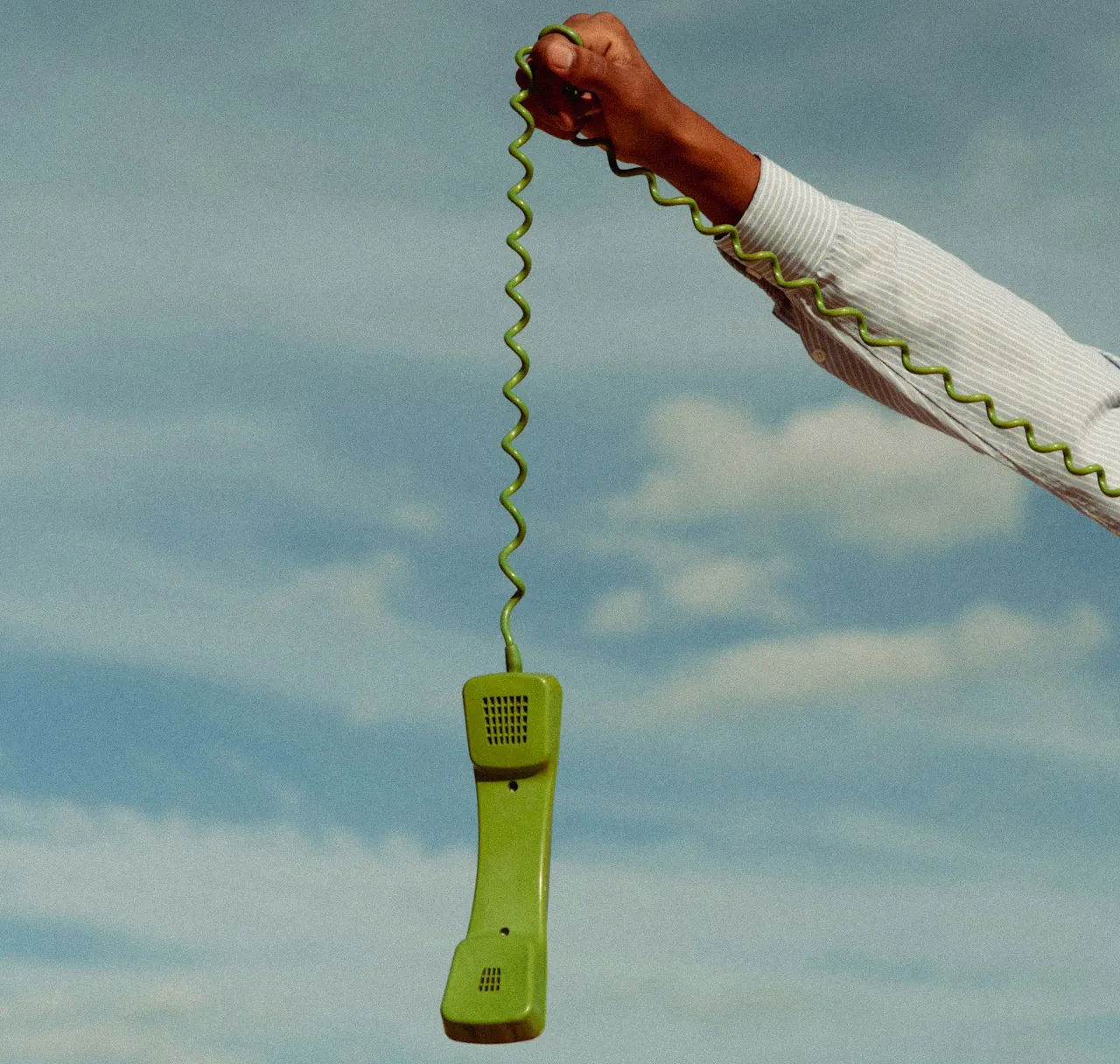
We believe softness has a place in business. Care has a place in design. Humanity has a place in the way we work — even when the system we operate within pushes against it. This is the second post in a series to document what it looks like to build, create, and lead from that place.
In my last article, I explored the tension between running a values-based creative studio and the expectations of a capitalist society — and the intentional ways we choose to navigate that. Today, I want to dig deeper into one of those tenets: how we choose our clients and ensure we are in alignment with one another before we even provide a scope of work.
Let me start with a caveat. Business can be tough — especially when the economy isn’t great and your studio’s been hit hard by a downturn. Sometimes you have no choice but to take on the work that comes your way to keep paying your team or avoiding debt. That said, even in hard times, we believe that being on the same page with your clients, in a variety of facets, is critical. Overlooking a mismatch in values or priorities almost always (in my highly scientific studies, 99% of the time) comes back to bite you.
For us, client alignment is non-negotiable. The success of any creative output depends on shared understanding and mutual respect and misalignment creates friction throughout the process. Friction can’t be “designed” away.
Branding is inherently intimate work. Even if your client team is part of a Fortune 100 and makes up only a tiny part of the broader organization, their personal goals, opinions, and careers are still deeply intertwined with the work you’re doing together. The creative work represents them, and this is especially true for entrepreneurs, founders or smaller companies. It requires trust, vulnerability, and shared goals. When those things are missing, no amount of talent or process can make up for it.
Over the years, we’ve learned to tune into early conversations closely — to listen for a client’s values, ask questions that reveal their priorities, and spot red flags before we ever enter a scoping discussion. This approach saves everyone time and energy. It helps us avoid getting deep into a project where misalignment can turn catastrophic.
Looking for Alignment in Clients
Here are some of the specific ways we at Edelmade look for alignment in early conversations:
The Red Flag Alert
Before we start a coversation with a potential client, if we have enough information about the potential work, we perform our most simple gut check — our red flag question.“Is this product, service, or industry doing harm?” Answering this question that will allow us to immediately decide if it’s a yes or no to continue a conversation. And while the answer can sometimes live in a gray area, it’s our simplest and most reliable way to make quick, values-based calls on whether we want to move forward with a potential project.
General Behavior
We’re an expressive, often casual team. Yes, design is important, but we are self-aware enough to realize we aren’t brain surgeons literally saving lives. We believe that a relaxed atmosphere helps our clients loosen up and builds trust faster. We know when to be serious, but also when to laugh — and occasionally, when a well-timed curse word fits the moment. If a potential client operates in a rigid, hyper-corporate environment and never takes off the “professional mask,” we’re probably not a fit. Look at your own team, your norms and culture, and decide what fits your team’s style. At the end of the day, we’re all just humans out here putting our pants on one leg at a time, and the sooner we can meet in that place together, the sooner we can create honest, transformative work together.
Communication Style
One of our mantras is “clear is kind”, borrowed from the great Brené Brown. Being clear in your communication is kindness — it prevents confusion, rework, and resentment. From the first email or form submission, I pay attention to how someone communicates: Is their message rushed? Confusing? Full of typos? (I admit that I once accidentally called a client “Booby” instead of “Bobby” in an email five years ago — and that email has become a legendary piece of Edelmade lore that we still laugh about, but it was a very out-of-character typo!) Everyone makes mistakes, but consistent carelessness in communication is often a sign of what’s to come.
Focus and Understanding of Goals
As a small studio, we often work with emerging brands, and that’s exciting. We love being on the ground floor with clients as their ideas come to life. That said, we do receive inquiries where it is apparent the budding entrepreneur isn’t fully committed to their idea yet. We take our work seriously, we feel bought-in to what they are building, and we expect our clients to do the same. We look for people who come to us with excitement, clarity in what they’re building, the proper level of dedication, and trust in our process.
Using these guardrails helps us ensure alignment prior to entering into a relationship. When alignment is present, all parts of a project have better flow:
- Collaboration feels natural and energizing
- Our internal work is more creative, playful, and inspired
- Check-ins are something we look forward to
- Approvals come faster because trust is inherent
And at the end of the project, the results speak for themselves. The creative work resonates more deeply with the audience because everyone was working toward the same goal. Both teams leave proud and energized rather than drained and frustrated.
Of course, this approach has trade-offs. We sometimes turn down projects that could’ve paid well, but could’ve been miserable for us to work on or could’ve caused harm to people or the planet in some way. The emotional cost of that kind of work never outweighs the financial reward.
It also means we’re intentionally smaller and more focused. We’re not trying to be everything to everyone — and that’s okay. We’re not chasing exponential growth; we’re chasing great work with great people. For us, those trade-offs are worth it — for our outcomes, our craft, our team’s wellbeing, and our sanity.
If you’re leading a creative practice, each new conversation is a mirror — reflecting not just what kind of clients you want, but what kind of studio you want to be. When you start to choose with intention, you realize alignment isn’t about efficiency or ease. It’s about protecting the wellbeing of your team and the integrity of your work. The more you honor that, the more your work — and your studio — become the kind of place that magnetizes the right people in return.
Read More

The Cost of Care

Growing Without Losing Ourselves