What Will Become of the Creative Process?
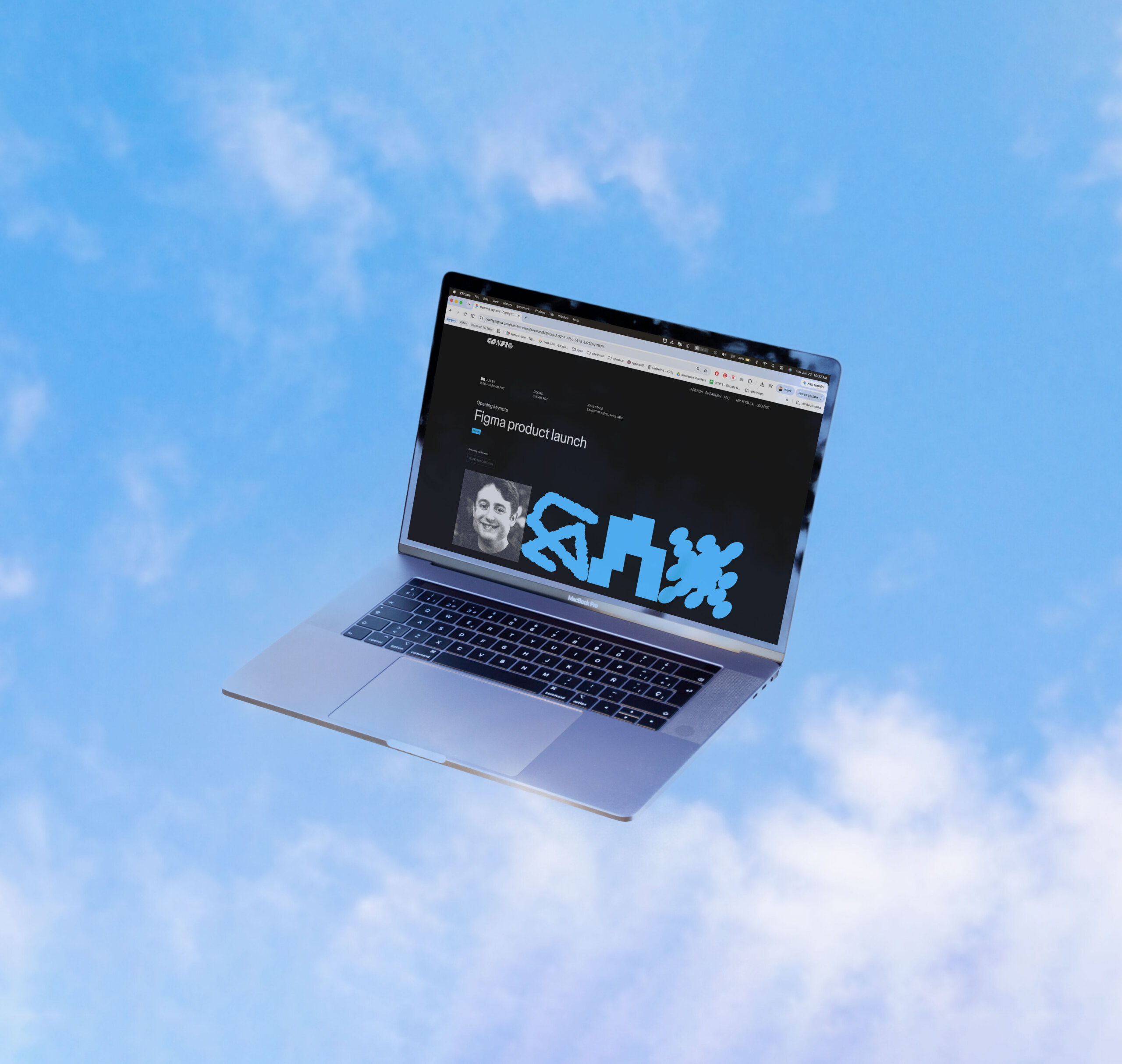
Reflections on AI, Config 2026’s Keynote, and the future of the creative process.
Our team at Edelmade watched the Config keynote today. Lots of woos and claps and excited audience members. But behind our computers, minor excitement from new feature releases was eclipsed by varying stages of existential grief.
Afterwards, when we hopped on a huddle to debrief together, we realized that our grief isn’t about Figma — which is actually one of our most used and beloved tools at work. It’s really about the ongoing struggle we have as designers, regarding how AI tools are being shoved into nearly every piece of software we touch. In the process, we’re left grappling with how we adopt AI into our workflows, if we should, and what we might be losing, forgoing, or ruining by doing it.
In today’s Config keynote, some of the features seemed useful and impressive. Figma continues to enhance collaboration and incorporate more of the design process into a single platform. Motion tools, prototyping, site building, content generation. They’re doing what Adobe has struggled to do for years: building a coherent and connected creative tool instead of a collection of loosely integrated products. This feels like a big win.
On the other hand, amidst all of the presenters’ explanations of how quickly and efficiently Figma could create this thing and that thing, there was an inherent sense of dread we had when watching it. In fact, Mike said that each time they were about to announce something new during the keynote, he thought, “What part of the creative process is AI going to take away now?”
Let me just stop here and caveat: we’re definitely not anti-technology. Most of our work is done on computers, and we have all spent our entire careers excitedly adapting to new tools. Learning new software and trying new workflows and new platforms. As worker bees, we evolve because we must — and because the wheels of capitalism keep on turning.
In that way, I am reluctant to frame our disdain for the AI-ification of the creative process as some simple resistance to change or intimidation in the face of a new learning curve.
What feels different now is that until recently, new tools felt as though they expanded our ability to create (along with the benefit of enhanced productivity/throughput/efficiency). When we learned Photoshop, Illustrator, Figma, After Effects, or any other creative tool, the software became an extension of our hands. These programs allowed us to execute ideas we couldn’t have executed otherwise, but we were still designing, iterating, and participating in the creative process. These new tools are designed to reduce the amount of creating we are even doing. Full stop. The goal of these products is no longer to help me make the thing. The goal is to help me arrive at a lineup of finished things without ever even making any of them. All in the name of efficiency, productivity and profitability. 🫡📈
Instead of exploring or developing visual directions, it wants us to prompt (and react, and then prompt again… repeat until you die) visual directions (then realize they are bland and look like 200 other brands created this year, and then pull out hair).
Instead of manipulating individual letterforms to get to the perfect custom logotype, it wants us to describe the changes using language (until after 587 iterations, it gets to 10% of where I hoped it would land and I set my computer on fire).
The role shifts from a true creator to a mere overseer of computer-doing-things.
Quick check-in: have you joined us on the grief train yet?
When I think about the projects I am most proud of throughout my career, it is the projects where we had the trust and time to create. Where we had the space to meander with both our brains and our hands to get to the end product. Where we’d show our clients the creative process, all of the things we made on our journey to the end product, and they’d marvel at the amount of care, thought, and heart put into it because it was exactly what they wanted and it fit their product/company perfectly.
Creative work is inherently inefficient. That’s actually the entire point.
The meandering is the point. The experimentation is the point. The dead ends, the truly ugly work, the accidental discoveries, the moments where your hands make something your brain didn’t know it was looking for — those aren’t obstacles to creativity. They are creativity.
And that seems to be the root of it for us. The promise of these tools isn’t simply that they’ll help us create faster. Our current tools already do that. It’s that they’ll “help” us skip parts of the process altogether. And those skipped parts are where a lot of the magic is.
Truly great creative work feels different because it carries traces of the human beings who made it. Their taste. Their curiosity. Their weirdness. Their obsessions. Their inspiration and niche interests. Their willingness to follow an idea further than was related, rational or efficient.
When I look at most AI-generated creative work, I don’t find myself worrying that it will replace designers. I find myself worrying that we’ll slowly accept work that is technically competent but emotionally vacant. Work that is polished and glossy but completely forgettable. Work that arrives faster but has nothing meaningful to say.
Design is not just about producing a creative output, it is about bringing something uniquely human into the world … to attract other humans. We owe it to ourselves and to humanity to be thoughtful about how we continue to adopt these promises of “better” creative. If we aren’t, we may wake up one day having optimized away the very thing that made the work worth creating in the first place.
Read More
The Cost of Care
How To Choose Your Clients With Intention